In-Office Dry Eye Treatment
Review our options below and schedule your consult to get a customized care plan.

OptiLight IPL and Optimal Pulse Technology (OPT™)
This new technology uses precise, intense broad spectrum light to reduce major sources of inflammation that lead to dry eye. This is a safe, effective and gentle treatment that we apply to the eyes and face. Treatment protocol involves four sessions, spaced 2-4 weeks apart. For more information, visit the Lumenis site here.
OptiLight is not covered by insurance; it is a private pay procedure.

Thermal Meibomian Gland Expression
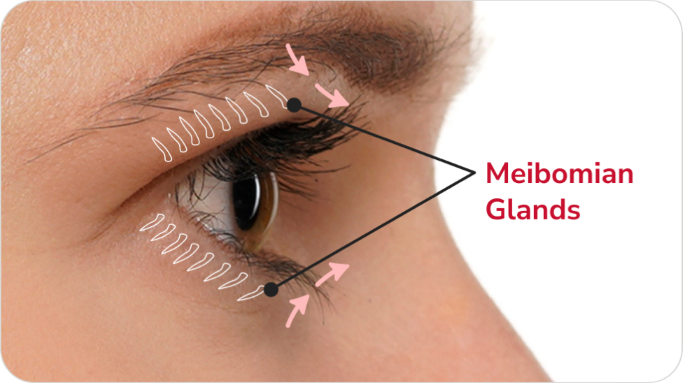
Meibomian Gland Dysfunction (MGD) occurs when eyelid glands become blocked, stopping the essential oils needed to prevent rapid tear evaporation. Symptoms include dry, irritated, and watery eyes.
Our in-office procedure gently heats the glands to liquefy hardened oils, followed by manual expression to clear obstructions. This restores healthy oil production, naturally hydrating your eyes and improving overall comfort.
Thermal Expression is not covered by insurance; it is a private pay procedure.

Blephex Treatment
Anterior blepharitis is a chronic inflammatory condition of the eyelid margins and eyelashes caused by bacterial buildup and biofilm, which can lead to dry eye disease if left untreated. Common symptoms include irritation, burning, itching, and crusty morning discharge.
The professional BlephEx procedure gently removes flaky buildup and Demodex nits to restore proper meibomian gland function and reduce infection risks. For more information, visit the Blephex site here.
Blephex® is not covered by insurance; it is a private pay procedure.

Lacrimal Occlusion (Lacrifill Gel)
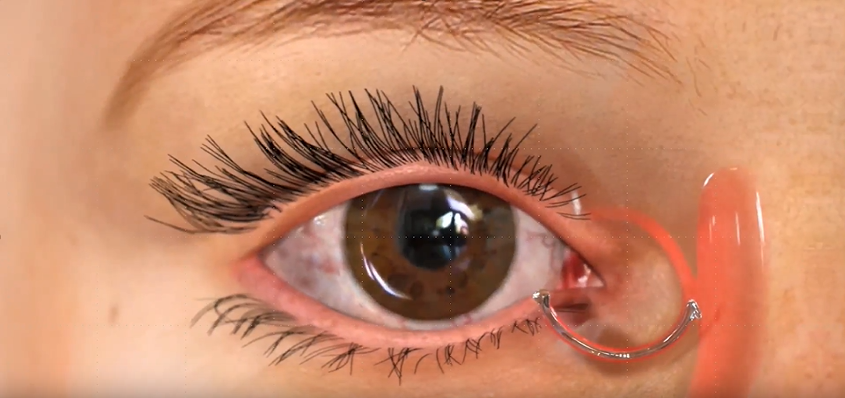
Lacrifill is a clear, cross-linked hyaluronic acid gel placed gently into the tear drainage duct (the punctum) to block fluid drainage. By keeping your natural tears on the eye's surface longer, it provides sustained hydration and relief for dry eye symptoms. The procedure is quick, comfortable, and reversible. For more information, visit the Lacrifill site here.
Lacrimal occlusion may be covered by your medical insurance. Please reach out to your member service line.